What university did you go to and why? Did you apply to a selection of different courses? I did Photography at The Open College of the Arts (online division of UCA, although that wasn’t the case when I began). As the courses are all entirely internet-based, delivery is structured differently to bricks and mortar universities. You sign up for one module at a time (mostly) and complete it over a longer period than usual (although there are limits). As I was a single parent with three young children when I began the degree, this was the only way I could study. Also, when I signed up for the first module, I had no intention of doing a whole degree as I’d done one in acting in the 90s and didn’t feel I needed another undergraduate degree. I wasn’t even sure I’d put my work in for assessment but was encouraged to do so by my tutor as he said, it seemed a shame not to. I was glad I did and signed up for another module as soon as I completed the first one.
Did you ever have the opportunity to interact or work with students in different year groups who were on the same course, or different courses altogether? Did you have any university trips abroad and/or days out? There are advantages and disadvantages to online learning, and you have to make an effort to interact with other students which is both a blessing and challenge. It means it can take a little longer to find a group you can bounce off, but it’s possible to end up in a cohort with other students at varying stages of the degree, or on different pathways. Groups might also be made up of a broad range of age-groups and backgrounds. It’s up to you how much or how little you engage, but I found it immensely helpful to stay relatively involved with small groups as much as I could. There are online forums organised by the college or groups on Facebook, student-led hangouts and in-person meet-ups, some based on modules, some on activities such as an online reading group, or critique groups in different regions of the UK: and the college organises study visits to galleries and festivals where you get to meet other students and tutors. These are usually attended by students from all levels.
What were the facilities like? Did you have an exhibition or space to display work? Not having access to studios and gallery space is a definite disadvantage of online learning, but like most restrictions, working around it can be the source of tremendous learning. If you want to exhibit your work, you have to organise it yourself. Many do and end up learning how to put on small shows in the process. It can be expensive, so if you’re broke, you learn how to do it on a budget. If you’re in a normal university, your final project will be shown along with hundreds of other students’ work. But if you organise it yourself, yours alone could be the focus, or else a small number of students might get together for a group show. You may also need to do short external courses to make sure you are proficient with equipment because there isn’t a technician to advise you, although other students are a valuable source of knowledge. People also find ways around these issues and you’ll see a wide range of media being utilised by colleagues at Level Three; from alternative processes to processing, 3D rendering to needlepoint! And YouTube is, of course, brilliant for getting help with all sorts of things. Not having access to a university print shop was also frustrating at times, but there are lots of online businesses with student discounts you can use. While doing the course, I organised small local exhibitions to show and sell images, had work included in various external shows by answering open calls, was invited to exhibit with OCA alumni, and finally finished the course during Covid, so I created an online installation and sold an accompanying zine.
How was your course structured? The degree is split into three levels, each of which you can associate with a year at a usual university. Each level includes three modules. You usually sign up for one module at a time, except at Level Three. But I believe things have changed a bit now. It’s best to check the structure here. At the beginning of each module, I was assigned a tutor. Modules contain several assignments. When I was doing the course, there were various mini projects to complete before I got to the assignment, which helped me prepare. Once I completed the assignment, I’d email it to be marked by my tutor. I was required to keep a blog – here is my final one – and the tutor wanted to see that I had fulfilled learning outcomes and completed the assignment. Feedback was either emailed or given in an internet hangout (like Zoom). I could move on to the next section as soon as I’d finished one – I didn’t have to wait for feedback. Once I completed the module, I’d send it off for the nearest assessment date. There are three a year, so you can graduate at different times. There is a limit to how much time you get for each module, but it’s more spread out than usual so you can fit your studies in with work and caring for children/elderly relatives. A reminder – the structure has changed a bit now, it’s still three parts per module but I’m not sure if there are still the same choices I had. I wonder if things had been the way they are now, I’d have been better off with a Creative Arts pathway if I were starting today.
Was your chosen course specifically tailored to produce a certain type of work or were you free and encouraged to make what you wanted? I was encouraged to take risks and given a great deal of freedom. Ideally, it will depend on where you are in your journey and how much guidance your tutor thinks you need. However, it’s important to state that this is an art course, not a basic technical photography course. Some people sign up and are surprised by that and end up going on a journey they didn’t expect which ends up being fulfilling and exciting, and they might become working artists or photographers, while others decide a camera club is all they really wanted to be involved in. Despite attracting mature students due to the nature of the delivery, as well as young ones, I know several ‘oldies’ who went on to do an MA (like me) and then even on to a PhD. I also know a couple who left half-way through the course and are working as photographers now anyway. There are so many levels of experience on the course and you can find yourself learning as much from your colleagues as you are from the formal coursework.
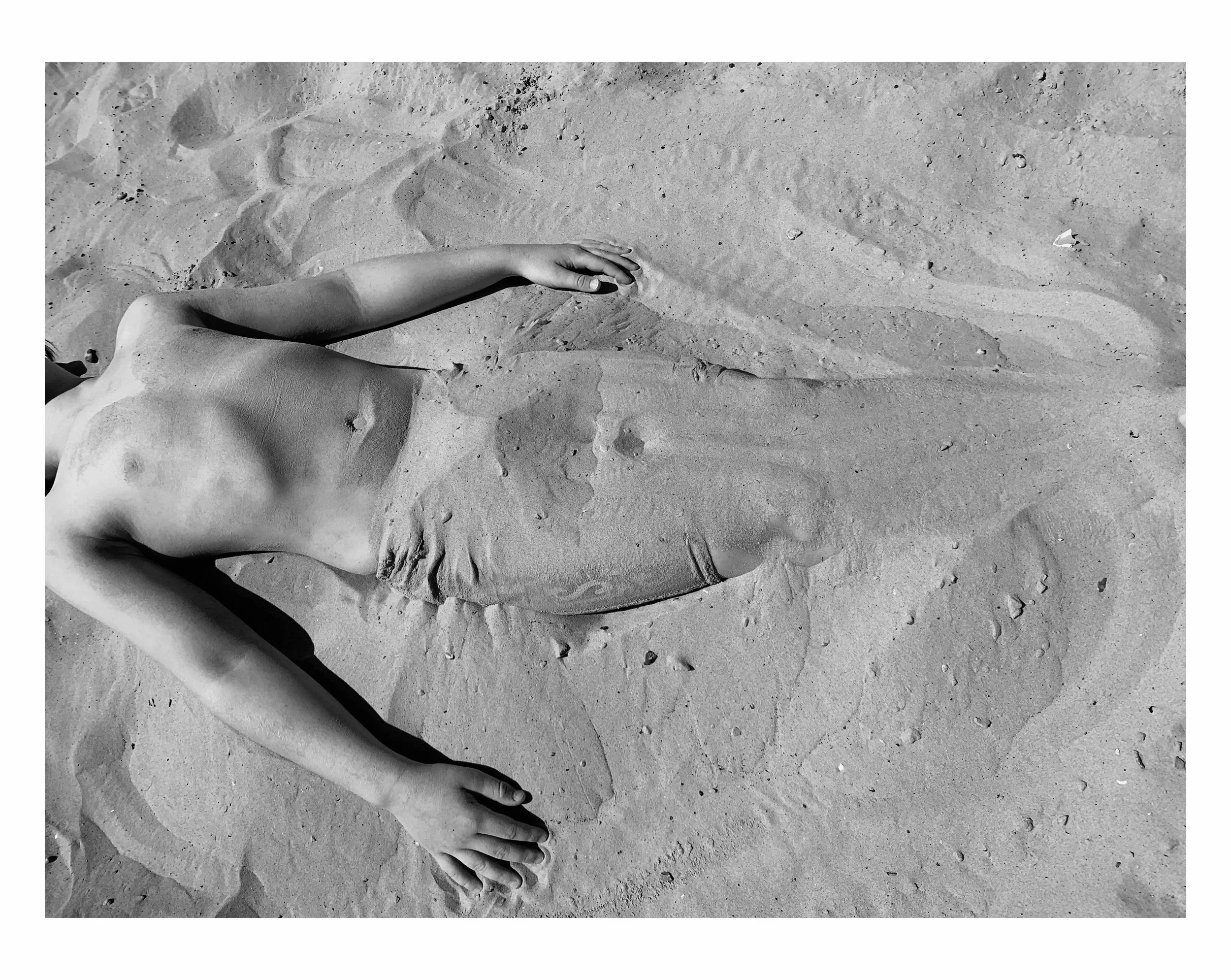
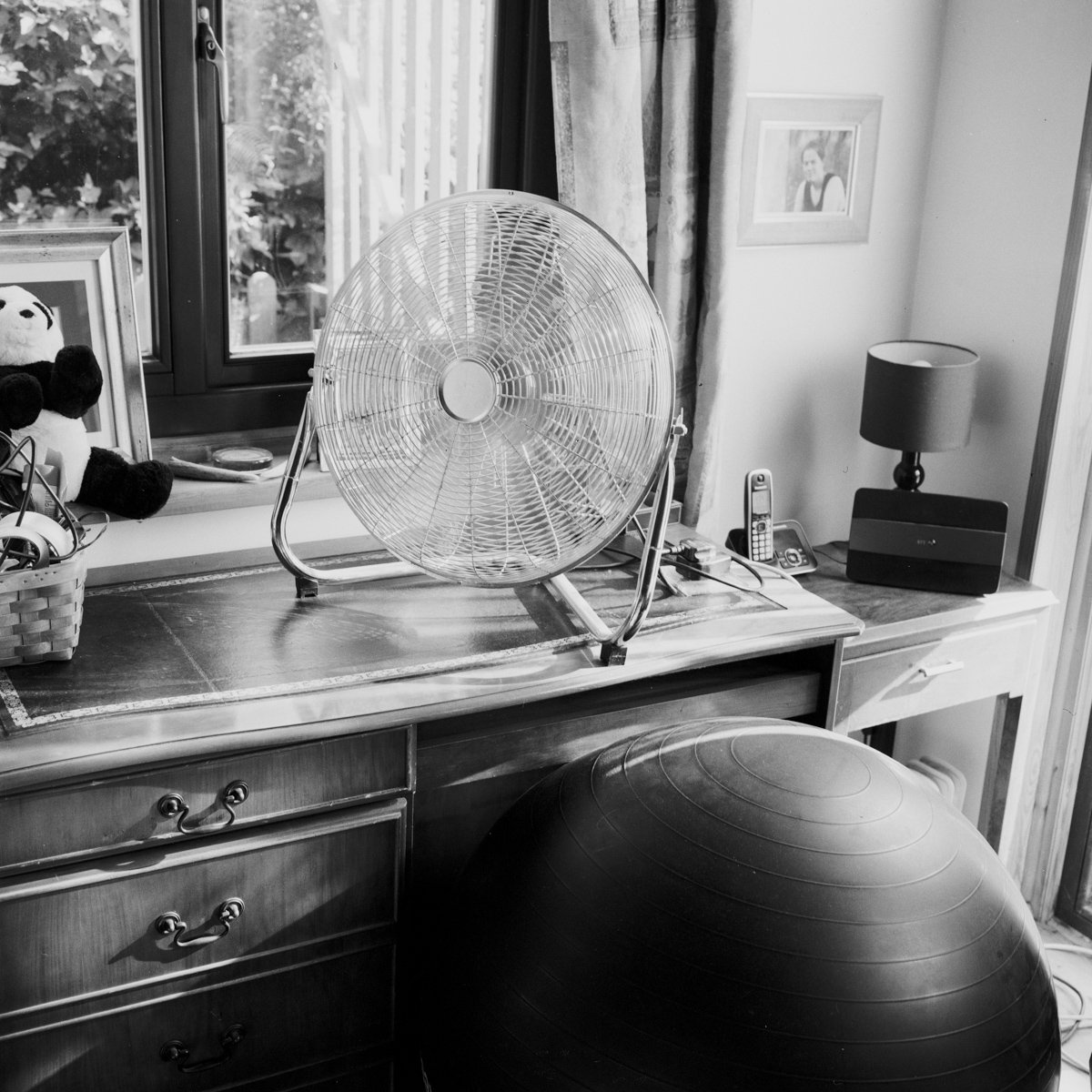
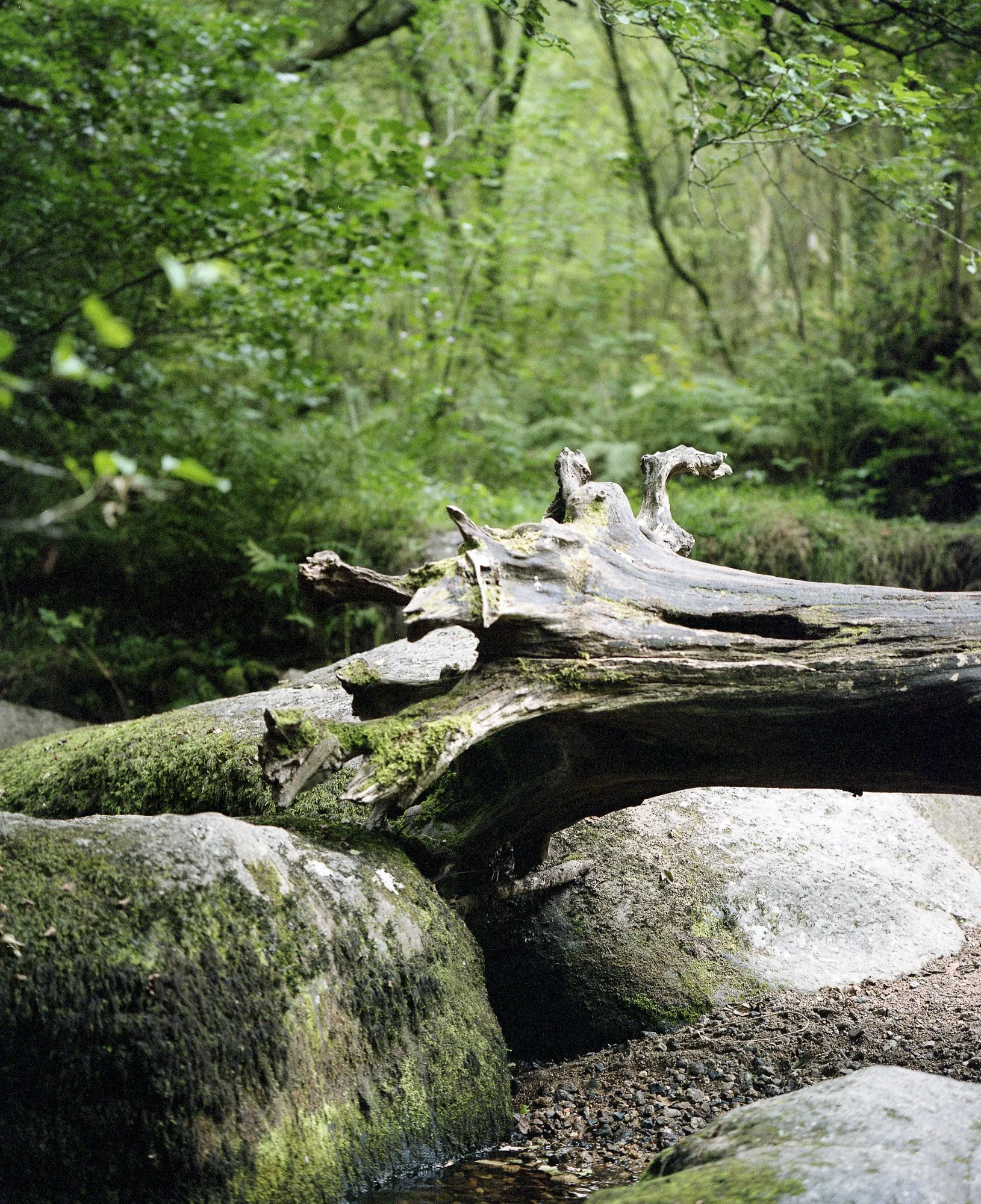
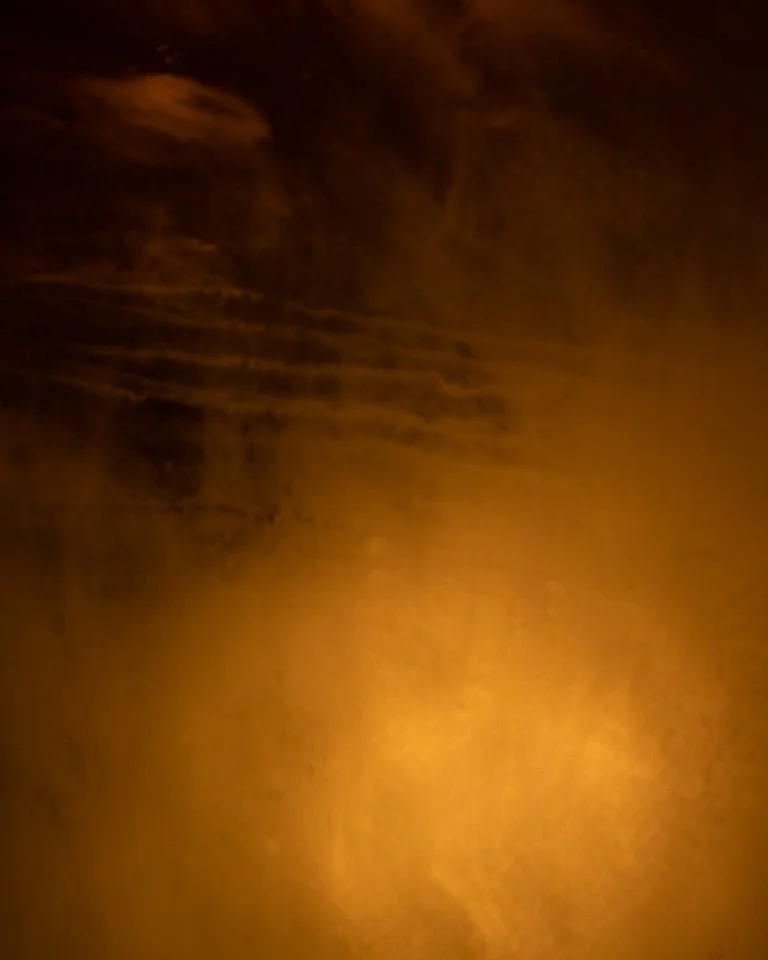
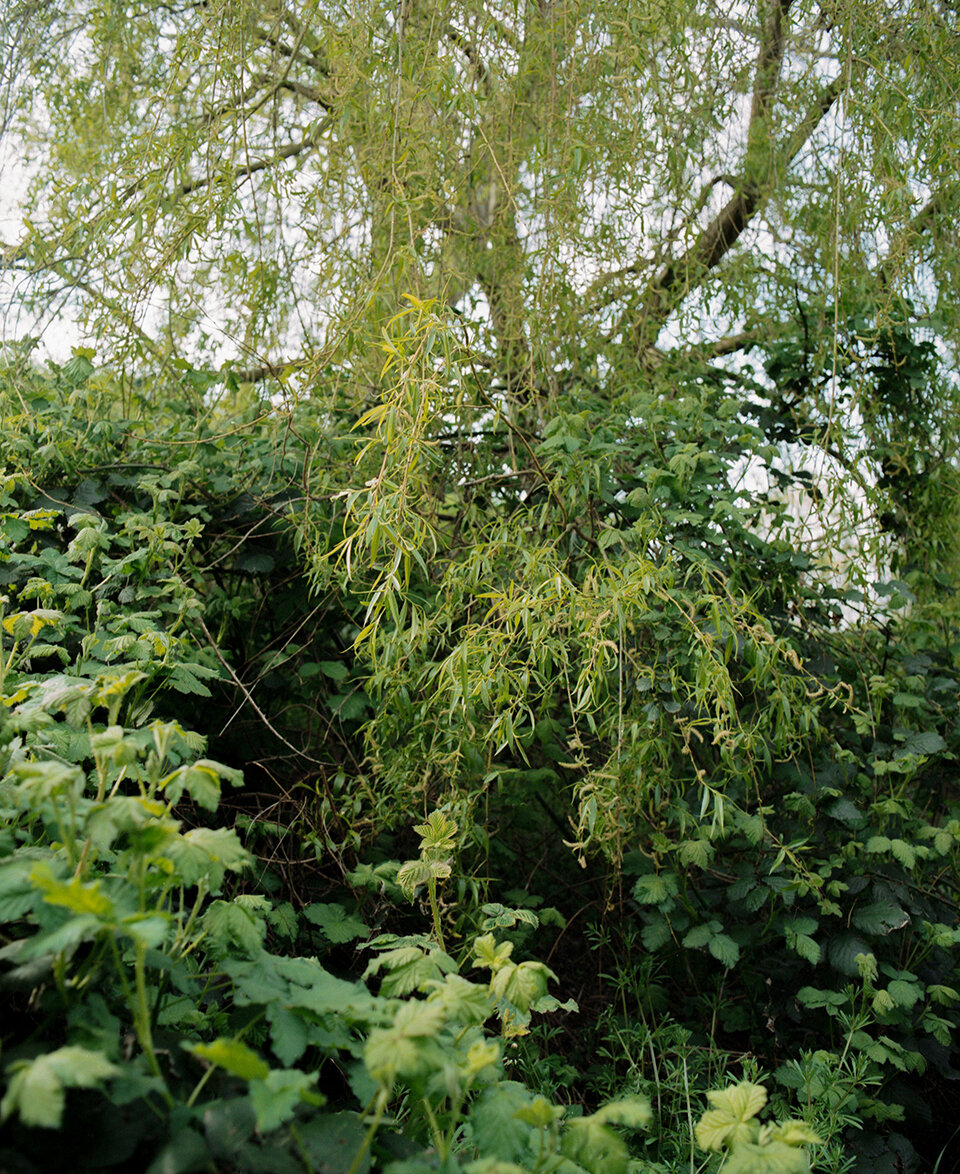
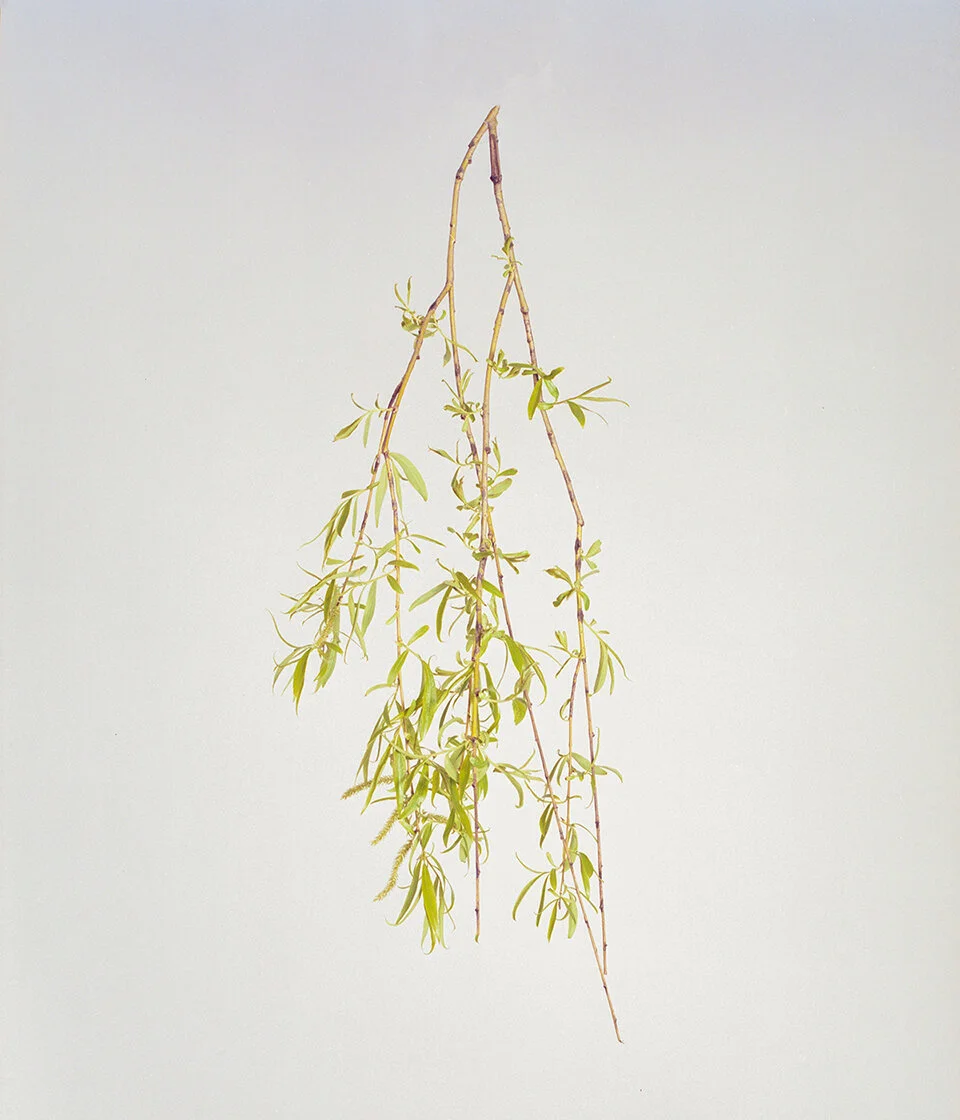
Tell us about your final year of study. Did you solely focus on a final body of work whilst getting ready for your degree show? My final modules were completed during Covid lockdowns. This drove me to do an online installation. Body of Work and Contextual Studies modules were aimed at creating the work and researching and writing about the underlying ideas supporting my artistic inquiry. The final module (see blog above) was about resolving it – i.e. as a book or an exhibition. The work has recently been selected for a group show which opens at Quad Derby on the 28th January which is very rewarding indeed!